
You often see Zipper Shipping Box options made from these eight materials:
Corrugated cardboard
Kraft paper linerboard
Recycled materials
Rigid paperboard
Polyethylene (PE)
Polypropylene (PP)
Laminated paper
Composite materials
Choosing the right material boosts durability, protects your products, and supports sustainability. Safe packaging means fewer damaged orders and happier customers. Efficient packaging also helps you save money and reduce waste.
Key Takeaways
Choosing the right material for your Zipper Shipping Box enhances product protection and boosts customer satisfaction.
Materials like corrugated cardboard and kraft paper offer durability and sustainability, making them ideal for various shipping needs.
Using recycled materials in packaging helps reduce waste and supports eco-friendly practices, benefiting both the environment and your brand.
1. Corrugated Cardboard
Properties
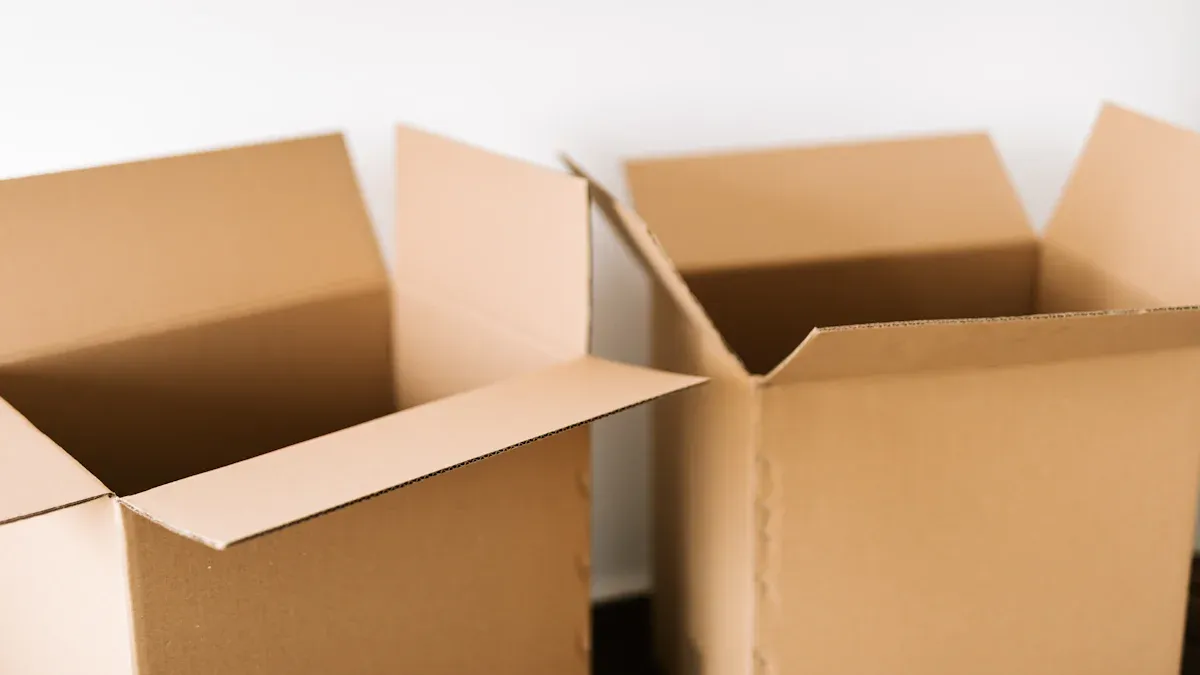
Corrugated cardboard stands out because of its fluted structure. You see two main types in packaging: single wall and double wall. Single wall has one layer of fluting between two sheets, while double wall uses two layers for extra strength. This design gives the material a tough and lightweight feel. The flutes help absorb shocks and keep products safe during shipping.
Tip: Double wall corrugated cardboard works best for heavier or fragile items.
Here is a quick comparison of cardboard and corrugated cardboard:
Attribute | Cardboard | Corrugated |
|---|---|---|
Structure | Single layer of thick paper | Fluted structure, multiple layers |
Durability | Suitable for lightweight items | Stronger, better for fragile items |
Protection | Limited protection | Excellent protection against impacts |
Cost | Generally cheaper | Higher due to complex structure |
Benefits for Zipper Shipping Box
You get reliable protection when you choose corrugated cardboard for your Zipper Shipping Box. The material resists crushing and keeps moisture away from your products. Corrugated boxes also block bacteria, which helps maintain freshness. You can trust these boxes to keep items safe during long trips. Many businesses use corrugated cardboard because it reduces damage and returns.
Corrugated boxes provide superior protection and durability.
They keep moisture and bacteria away from products.
You can ship fragile items with confidence.
Applications
You find corrugated cardboard in many Zipper Shipping Box designs. Retailers use it for electronics, books, and food. E-commerce companies rely on it for shipping clothing and shoes. You can also use corrugated cardboard for custom packaging solutions. The material adapts to different shapes and sizes, making it a top choice for reliable shipping.
2. Kraft Paper Linerboard
Properties
Kraft paper linerboard gives you a strong and reliable base for packaging. Manufacturers use softwood fibers to create a material that resists tearing and lasts through tough shipping conditions. You get a lightweight option that helps lower mailing costs. Kraft paper also supports eco-friendly goals because it uses new and recycled wood fibers.
Property | Description |
|---|---|
Strength and Tear Resistance | Softwood fibers provide strength and tear resistance, essential for shipping boxes. |
Durability | Kraft paper is durable and long-lasting, protecting goods during transit. |
Lightweight | Its lightweight nature reduces mailing costs, making it economical for shipping. |
Eco-friendly | Made from new and recycled wood fibers, it is sustainable and environmentally friendly. |
Benefits
You boost the strength and sustainability of your Zipper Shipping Box when you choose kraft paper linerboard. This material comes from biodegradable and recycled sources, so you help the environment with every shipment. The multilayered construction adds rigidity and keeps your products safe. You can trust these boxes to stay strong and non-tearable during storage and shipping.
Note: Kraft paper linerboard makes your packaging both sturdy and green.
Kraft paper is made from biodegradable and recycled materials, enhancing sustainability.
The multilayered construction of kraft corrugated boxes provides excellent strength and rigidity.
These boxes are non-tearable and strong, making them ideal for shipping and storing products safely.
Applications
You see kraft paper linerboard in many packaging solutions. Companies use it for folding cartons and luxury rigid boxes, especially in cosmetics, perfumes, candles, skincare, and gift packaging. E-commerce and retail businesses rely on corrugated kraft boxes for shipping. You also find kraft paper bags and wraps as lightweight alternatives to plastic. Restaurants and food chains use kraft paper for takeout bags and pizza boxes.
Folding Cartons and Luxury Rigid Boxes: Used in cosmetics, perfumes, candles, skincare, and gift packaging.
Corrugated Kraft Boxes for E-commerce and Shipping: A staple in logistics and retail industries.
Kraft Paper Bags and Wraps: Lightweight and customizable alternatives to plastic bags.
Food Packaging Industry: Popular eco-friendly alternative to plastic for restaurants and food chains, including takeout bags and pizza boxes.
3. Recycled Materials
Properties
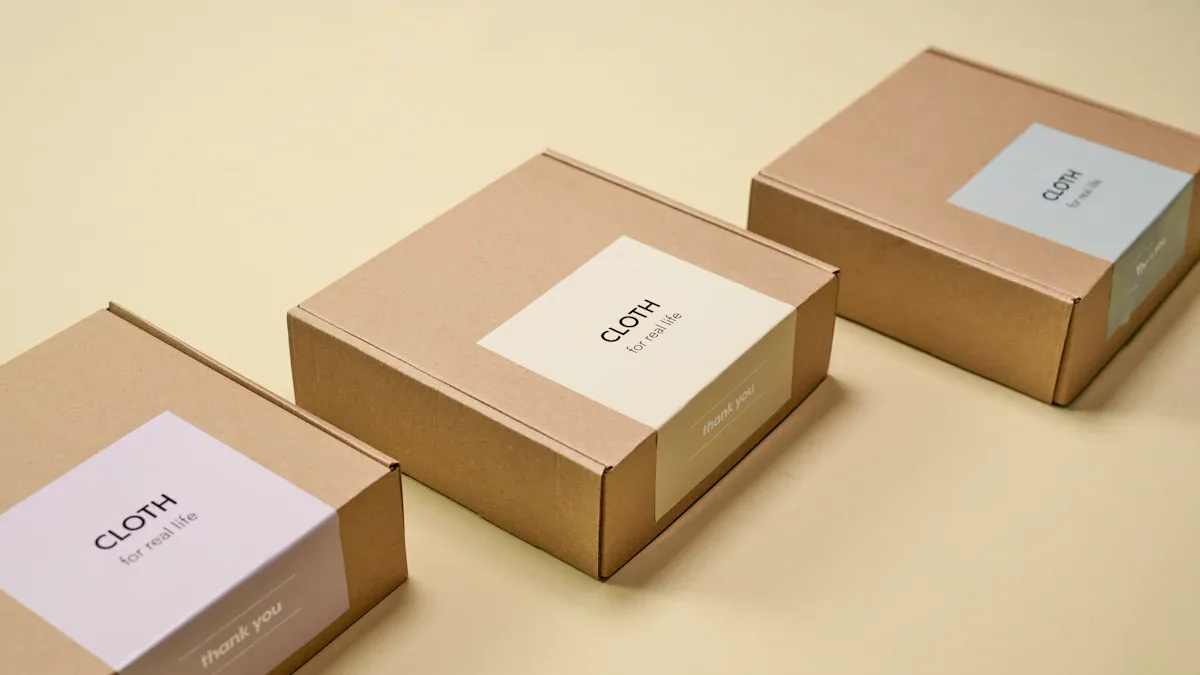
Recycled materials come from post-consumer or post-industrial waste. You see these materials in many packaging products today. Manufacturers clean and process old paper, cardboard, and plastics to create new packaging. The result is a sturdy material that supports heavy loads and resists tearing. Recycled materials often blend with virgin fibers to improve strength and durability.
Using recycled materials helps you support a cleaner environment and reduce landfill waste.
Benefits for Zipper Shipping Box
You make a smart choice when you select recycled materials for your Zipper Shipping Box. These materials offer several environmental benefits:
Reduces pollution
Conserves resources
Lowers carbon emissions
You help protect the planet and meet sustainability goals. Over the past decade, companies have increased their use of recycled materials in packaging. Advances in sustainable materials and new regulations encourage brands to choose circular packaging solutions. Many businesses now use recyclable zipper tracks and bio-based materials to meet customer demands for eco-friendly products.
Major packaging companies have introduced recyclable pouches with reclosable features. You see this trend grow as more people care about food waste and packaging sustainability. Consumers and regulators push for greener options, so recycled materials play a bigger role in packaging.
Applications
You find recycled materials in many types of shipping boxes. Retailers use them for clothing, electronics, and food packaging. E-commerce companies prefer recycled boxes to show their commitment to the environment. You can also use recycled materials for custom packaging designs. These boxes work well for lightweight and heavy products, making them a flexible choice for many industries.
4. Rigid Paperboard
Properties
Rigid paperboard gives you a solid and smooth surface for packaging. You notice its lightweight feel, which makes it easy to handle and ship. Manufacturers design rigid paperboard with a dense structure, so it resists bending and crushing. You get a cost-effective material that works well for less fragile items. Compared to corrugated cardboard, rigid paperboard costs less but does not offer the same level of durability for heavy products.
Rigid paperboard is a smart choice when you want a balance between strength and affordability.
Feature | Rigid Paperboard | Corrugated Cardboard |
|---|---|---|
Weight | Lightweight | Heavier |
Durability | Moderate | High |
Cost | Lower | Higher |
Best Use | Less fragile items | Heavy or fragile items |
Benefits
You save money when you choose rigid paperboard for your Zipper Shipping Box. The material protects your products from minor impacts and keeps them looking sharp. You find it easy to print designs and logos on rigid paperboard, which helps your brand stand out. Rigid paperboard boxes with reinforced corners resist crushing and tampering. You get reliable protection for everyday shipping needs.
Lightweight and cost-effective
Easy to customize with printing
Good resistance to crushing and tampering
Applications
You see rigid paperboard used in many industries. Electronics companies use it to protect devices during transport. Pharmaceutical brands rely on it to keep medicines safe. Food and beverage sectors package items with rigid paperboard for freshness. Cosmetics and personal care products often come in stylish rigid boxes. Luxury brands choose rigid paperboard for high-end packaging. The material adapts to changing consumer tastes and new technology.
Electronics
Pharmaceuticals
Food and beverages
Cosmetics and personal care
Luxury items
Rigid paperboard continues to grow in popularity as packaging needs evolve.
5. Polyethylene (PE)
Properties
Polyethylene, or PE, is a popular plastic in packaging. You find two main types: LDPE (low-density) and HDPE (high-density). Each type has unique qualities that make it useful for different packaging needs. LDPE is flexible and easy to stretch. HDPE is more rigid and strong. Both types resist moisture and chemicals, which helps protect your products.
Property | LDPE | HDPE |
|---|---|---|
Flexibility | Highly flexible and easy to stretch | Less flexible, more rigid |
Clarity | Often transparent | Generally opaque or translucent |
Moisture Resistance | Excellent moisture barrier | Good moisture barrier |
Chemical Resistance | Lower chemical resistance than HDPE | Good chemical resistance |
Common Applications | Zipper bags, grocery bags, food wraps | Milk jugs, detergent bottles, industrial bags |
Advantages | Good impact resistance at low temperatures | Higher strength-to-density ratio |
Disadvantages | Lower tensile strength compared to HDPE | Less flexible, can be susceptible to stress cracking |
Benefits
You get strong moisture protection with polyethylene. A waterproof coating, often 2mm thick, keeps your items dry even in humid conditions. This feature makes PE ideal for shipping electronics, candles, or cosmetics. The material also adds durability. Your Zipper Shipping Box can handle rough transit without breaking down.
Tip: Polyethylene coatings help prevent water damage and keep products safe during shipping.
Waterproof coating protects against moisture.
2mm thick layers add strength and durability.
Boxes stay sturdy during long or rough shipping journeys.
Applications
You see polyethylene used in many industries. In food and beverage, PE packages fresh fruits, frozen foods, and liquids. HDPE works well for milk containers, while LDPE is great for flexible wraps. Medical and pharmaceutical companies use PE for sterile wraps and medicine containers. Electronics companies rely on PE for anti-static bags that protect devices. Farmers use PE for greenhouse covers and UV-resistant packaging.
Food and beverage packaging
Medical and pharmaceutical wraps
Electronics and consumer goods
Agricultural protection
Polyethylene gives you a reliable and versatile option for packaging needs.
6. Polypropylene (PP)
Properties
Polypropylene, or PP, stands out for its high clarity and strength. You can see through PP bags easily, which helps when you need to check the contents. PP can handle high temperatures up to 340°F, so it works well for products that face heat during shipping or storage. The material also resists chemicals and moisture, keeping your items safe from spills and humidity. Its rigid structure helps prevent scratches and dents.
Note: Polypropylene offers better heat resistance than polyethylene, which only handles up to 240°F.
Here is a quick comparison:
Property | Polypropylene (PP) | Polyethylene (PE) |
|---|---|---|
Clarity | Higher | Lower |
Heat Resistance | Up to 340°F | Up to 240°F |
Chemical Resistance | Better | Lower |
Moisture Barrier | Superior | Moderate |
Rigid Structure | Yes | No |
Scratch Resistance | Excellent | Moderate |
Benefits
You get several advantages when you use PP for your Zipper Shipping Box. The material’s high clarity lets you display products clearly, which is great for retail. Its strong, rigid structure protects items from scratches and crushing. PP also blocks moisture and vapor, so your products stay dry and fresh. You can trust PP to keep your goods safe, even in hot or humid conditions.
High clarity for easy product viewing
Superior protection against moisture and scratches
Withstands high temperatures and chemicals
Applications
You find polypropylene in many industries:
Food and beverage: Used for containers that keep food safe and dry
Healthcare and pharmaceuticals: Protects medical supplies and keeps them sterile
Consumer goods and electronics: Shields electronics with antistatic properties
Cosmetics and personal care: Offers chemical resistance and a clean look
You can rely on PP for packaging that needs to stay strong, clear, and protective. Many companies choose PP for their Zipper Shipping Box because it combines safety, durability, and a professional appearance.
7. Laminated Paper
Properties
Laminated paper combines layers of paper with protective coatings. You see finishes like UV coating, embossing, and matte or glossy lamination. These finishes make the surface smooth and shiny or give it a soft touch. Laminated paper resists water, oil, and grease. The material blocks moisture and oxygen, keeping products safe inside. You notice that laminated paper feels stronger and lasts longer than regular paper.
Feature | Description |
|---|---|
Finish Types | UV, matte, glossy, embossing |
Barrier Properties | Water, oil, grease, vapor |
Durability | High |
Appearance | Enhanced visual appeal |
Benefits
You improve the look and strength of your Zipper Shipping Box with laminated paper. The high-end finishes make your packaging stand out. Laminated paper protects products from spills and stains. You get a box that stays clean and fresh during shipping. The extra layer adds durability, so your box resists tearing and crushing. Laminated paper helps you deliver products safely and attractively.
High-end finishes boost visual appeal.
Superior barrier properties keep products safe.
Increased strength and integrity for shipping.
Tip: Laminated paper works well for e-commerce and retail packaging because it combines style with protection.
Applications
You find laminated paper in many packaging solutions. Fast food restaurants use it for cartons and boxes. The material keeps food fresh and easy to handle. Laminated paper resists grease and water, making it perfect for food items. You see it in slip sheets and containers designed for food safety. The vapor barrier helps maintain sterility and blocks moisture.
Single-use food cartons and boxes
Slip sheets for food safety
Fast food packaging
Protective layers for water, oil, and grease resistance
Laminated paper gives you a reliable choice for packaging that needs both protection and a polished look.
8. Composite Materials
Properties
Composite materials combine two or more layers, such as paper, plastic, or foil. You get a material that uses the best features of each layer. These materials often include nylon, aluminum, or polyester for extra strength. Composite materials resist punctures and abrasions. You notice that they block moisture, oxygen, and light. This helps keep products fresh and safe during shipping.
Composite materials can be engineered for specific needs, so you can choose the right barrier for your product.
Here is a table comparing composite materials to single-material options:
Benefit | Composite Materials | Single-Material Options |
|---|---|---|
Barrier Properties | Enhanced barrier layers for better preservation | Limited barrier capabilities |
Protection Against Hazards | High puncture and abrasion resistance | More prone to damage |
Weight and Shipping Efficiency | Lightweight, reduces shipping costs and carbon footprint | Heavier, higher transportation costs |
Space Efficiency | Packs densely, saves storage space | Irregular shapes, less efficient storage |
Sustainability | Can be recycled, less material waste | Often less recyclable, more wasteful |
Benefits
You get strong protection for your products with composite materials. These materials keep out water, air, and bacteria. You save money because composite materials weigh less and pack tightly. You help the environment by using packaging that can be recycled. Composite materials also make your Zipper Shipping Box more durable, so your products arrive safely.
High strength and durability
Better barrier against moisture and contamination
Lightweight for lower shipping costs
Space-saving design
Supports sustainability goals
Applications
You see composite materials in many industries. Food and beverage companies use them for ready-to-eat meals and snacks. Healthcare brands rely on composite packaging for medical devices and medicines. Cosmetics and personal care products often come in composite boxes for better looks and protection. Logistics and transport companies use composite materials to ship goods safely.
Here is a table showing main applications:
Sector | Application Description |
|---|---|
Food & Beverages | Longer shelf life, contamination prevention, product visibility |
Healthcare | Sterile packaging for medical devices and pharmaceuticals |
Consumer Goods | Structural integrity and appealing looks for cosmetics and personal care |
Logistics & Transport | Protective packaging for shipping, designed to withstand impact and environmental factors |
Composite materials give you a smart choice for packaging that needs strength, protection, and sustainability.
You improve shipping safety when you choose the right material for your Zipper Shipping Box.
Match materials to your product and shipping needs for better protection and customer satisfaction.
Review this table to see how material choice affects packaging performance and sustainability:
Aspect | Impact |
|---|---|
Eco-friendly options | Reduce waste and boost durability |
Lighter packaging | Lower costs and carbon footprint |
FAQ
What material offers the best protection for fragile items?
Double wall corrugated cardboard gives you strong protection. You can ship fragile products safely and reduce damage during transit.
Can you recycle zipper shipping boxes made from composite materials?
You can recycle some composite boxes. Check local recycling guidelines. Many companies now design composite packaging for easier recycling.
Which material is most eco-friendly for zipper shipping boxes?
Material | Eco-Friendly Level |
|---|---|
Recycled Paper | ⭐⭐⭐⭐⭐ |
Kraft Paper | ⭐⭐⭐⭐ |
Composite | ⭐⭐⭐ |
Recycled paper gives you the highest eco-friendly rating.
