

As sustainability becomes a defining standard rather than a marketing add-on, brands across the global e-commerce landscape are asking a crucial question: Can modern shipping packaging truly support circular use? Among the most discussed innovations is the Cardboard Paper Zipper Shipping Box, a format increasingly adopted by DTC and cross-border sellers seeking to balance performance, branding, and environmental responsibility.
Unlike traditional mailers sealed with plastic tape, Self-Seal Zipper Shipping Boxes are designed with reuse and recyclability in mind. With built-in tear strips and paper-based structures, they promise cleaner recycling streams and longer life cycles. But how recyclable are they in real-world conditions—and can they realistically be reused?

Understanding the Structure of a Cardboard Paper Zipper Shipping Box
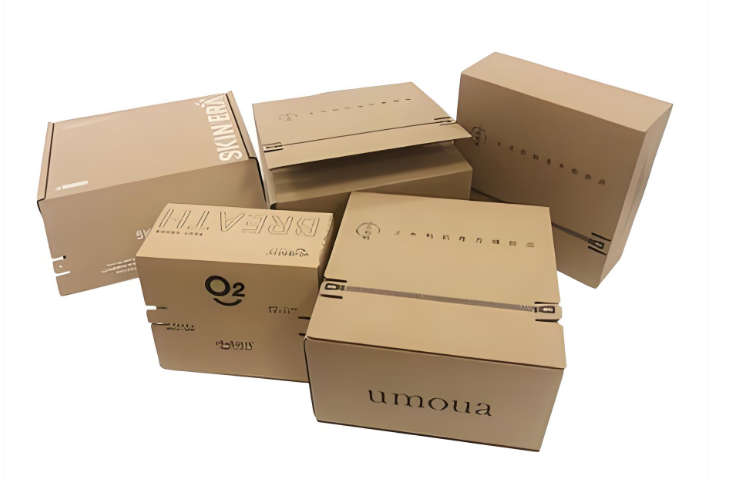
A Cardboard Paper Zipper Shipping Box is typically made from corrugated cardboard sourced from recycled fibers or FSC-certified paper pulp. The zipper component is not plastic but an engineered paper tear-strip integrated during die-cutting. This distinction is critical.
Unlike conventional cartons, which rely on mixed materials, a corrugated zipper box is usually a mono-material solution. That means fewer contaminants during recycling and better compatibility with municipal paper recycling systems in the U.S., EU, and other mature markets.
From a structural standpoint, a Zipper Shipping Box combines reinforced corrugated layers with a precision tear line. This allows clean opening without cutting tools—preserving the box’s integrity for reuse.

Recyclability: How Zipper Boxes Perform in Waste Streams
1. Cleaner Recycling Than Traditional Boxes
Standard shipping boxes often fail recycling checks because of plastic tape, labels, or laminated coatings. By contrast, Self-Seal Zipper Shipping Boxes eliminate most external tape, making it easier for recycling facilities to process them without manual sorting.
In many regions, a corrugated zipper box can be placed directly into paper recycling bins without additional separation. This simplicity is a key reason sustainability-focused brands are replacing poly mailers with the Cardboard Paper Zipper Shipping Box format.
2. FSC Certification and Responsible Sourcing
Manufacturers like Xiamen Yixin Printing Co., Ltd. use FSC-certified paper materials and water-based inks. This ensures that each Zipper Shipping Box not only recycles efficiently but also begins its life cycle with responsible forestry practices.
For brands prioritizing ESG reporting, such sourcing strengthens sustainability claims tied to DTC packaging brand unboxing experiences.
Reuse: Why Zipper Shipping Boxes Outperform Traditional Cartons
Recyclability is only half the story. Reuse is where zipper-based designs truly excel.
Designed for Second Life
Thanks to the resealable tear-strip, many Self-Seal Zipper Shipping Boxes can be closed again after opening. This makes them ideal for:
Customer returns
Exchanges
Secondary storage
Household reuse
In contrast, traditional boxes often tear when opened, reducing reuse potential.
Aligned With DTC Consumer Habits
U.S. and European consumers frequently return items—especially apparel and accessories. A Zipper Shipping Box supports this behavior naturally. This convenience improves customer satisfaction and strengthens DTC packaging brand unboxing perception as both premium and practical.
Many brands report that customers reuse a Cardboard Paper Zipper Shipping Box at least once, effectively doubling its functional lifespan.
Industry Analysis: Sustainability Performance Comparison
| Sustainability Metric | Traditional Shipping Box | Corrugated Zipper Box | Environmental Advantage |
| Tape Usage | High (plastic-based) | Minimal or none | Cleaner recycling |
| Recyclability Rate | Medium | High | Fewer contaminants |
| Reusability | Low | High | Supports circular use |
| Material Separation | Required | Not required | Easier disposal |
| Consumer Perception | Neutral | Positive | Better DTC packaging brand unboxing |
| Carbon Footprint (Lifecycle) | Higher | Lower | Optimized material use |
| Return-Friendly Design | Poor | Excellent | Less repackaging waste |
This comparison shows why the corrugated zipper box is increasingly positioned as a next-generation packaging solution.
How Automation Supports Sustainable Zipper Box Production
At scale, sustainability must be consistent. Xiamen Yixin Printing Co., Ltd., founded in 2004, operates automated production lines capable of producing 20 million units per month. Their systems integrate corrugating, die-cutting, and paste inspection with minimal waste.
Automation ensures that every Self-Seal Zipper Shipping Boxes order maintains structural accuracy, which is essential for both reuse and recycling. Poorly aligned tear strips can compromise recyclability; precision manufacturing prevents that risk.
With certifications including FSC, ISO14001, and G7, Yixin’s Zipper Shipping Box solutions meet global environmental and quality standards simultaneously.
The Role of Unboxing in Sustainable Brand Perception
Sustainability today is as much emotional as it is technical. When customers open a clean, tape-free Cardboard Paper Zipper Shipping Box, the experience reinforces trust.
A smooth opening enhances DTC packaging brand unboxing, signaling that the brand has considered waste, convenience, and reuse. This emotional signal often matters more to consumers than sustainability claims printed on a website.
Brands that integrate reuse messaging directly into their Zipper Shipping Box design—such as printed reuse instructions—see higher engagement and stronger brand loyalty.
FAQ: Recycling and Reuse of Zipper Shipping Boxes
1. Can Self-Seal Zipper Shipping Boxes be recycled curbside?
Yes. In most regions, they can be recycled with standard paper waste, as long as labels are removed.
2. Does the zipper strip affect recycling?
No. The zipper is paper-based and integrated into the corrugated zipper box structure.
3. Can customers reuse the same box for returns?
Absolutely. Reuse is a major advantage of the Zipper Shipping Box format.
4. Are these boxes suitable for DTC brands?
Yes. They are widely used to enhance DTC packaging brand unboxing while supporting sustainability goals.
5. Are Cardboard Paper Zipper Shipping Box solutions customizable?
Yes. Manufacturers like Yixin offer OEM & ODM services for size, print, and structure.
Call to Action
If your brand is seeking packaging that balances sustainability, customer experience, and operational efficiency, it’s time to consider upgrading.
Conclusion
So, can cardboard paper zipper shipping boxes be recycled or reused? The answer is a clear yes—when designed and manufactured correctly.
The Cardboard Paper Zipper Shipping Box represents a shift toward smarter packaging: easy to recycle, practical to reuse, and powerful in shaping DTC packaging brand unboxing experiences. Supported by precision manufacturing and certified materials, the corrugated zipper box is no longer just a packaging trend—it is a functional step toward a circular e-commerce future.
As brands rethink their environmental impact, the Zipper Shipping Box stands out as a solution that works not only in theory, but in everyday consumer behavior.
