
As global e-commerce continues to evolve, packaging has become more than a protective shell—it is now a strategic tool for cost control, sustainability, and brand communication. One packaging format gaining strong traction is the zipper shipping box. But for buyers and brand owners, a common question remains: what materials are actually used to make these boxes, and how do they impact performance?
Understanding the material structure behind Self-Seal Zipper Shipping Boxes is essential for selecting the right solution for logistics, sustainability goals, and customer experience. This article takes a closer look at the most widely used materials, how they perform, and why manufacturers like Xiamen Yixin Printing Co., Ltd. are able to deliver consistent quality at scale.
Why Material Choice Matters in Zipper Shipping Boxes
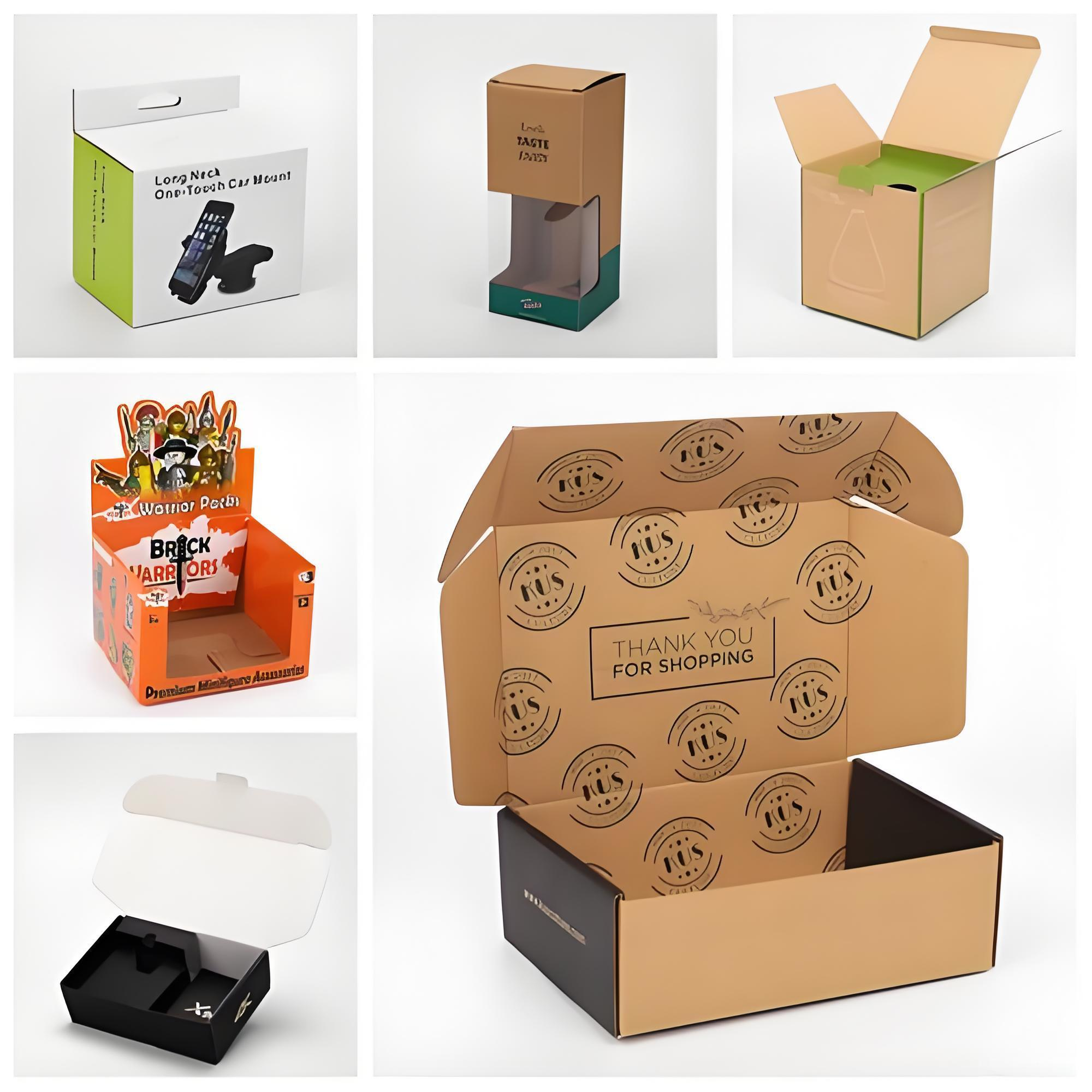
The effectiveness of a zipper-style package depends heavily on its raw materials. A well-designed Zipper Shipping Box must balance strength, flexibility, print quality, and environmental compliance. Poor material selection can result in tearing during transit or difficulty during opening, directly affecting customer satisfaction.
In today’s market, Zipper Shipping Box Solutions are no longer one-size-fits-all. Different industries—fashion, cosmetics, electronics—require tailored material configurations to ensure protection without excess weight or cost.
Core Materials Used in Zipper Shipping Boxes
1. Corrugated Cardboard (Single Wall and Double Wall)
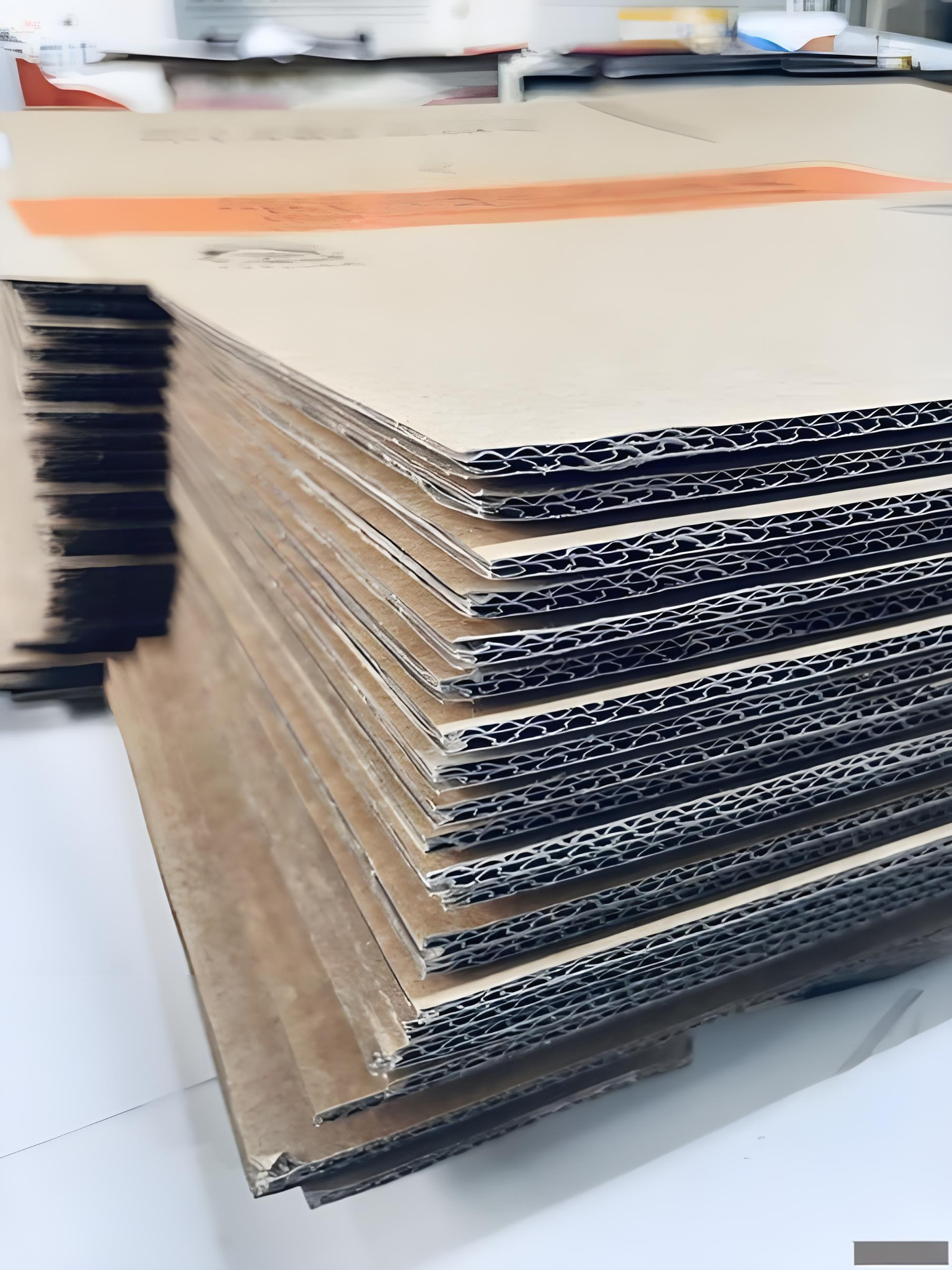
The most common material used in a corrugated zipper box is corrugated cardboard. It consists of fluted paper sandwiched between linerboards, providing shock absorption and stacking strength.
Single-wall corrugation is widely used for lightweight goods, while double-wall structures are chosen for heavier or fragile products. This flexibility makes corrugated board the backbone of most Self-Seal Zipper Shipping Boxes.
2. Kraft Paper Linerboard
Kraft paper is frequently used as the outer liner of a Cardboard Paper Zipper Shipping Box. Known for its high tensile strength and tear resistance, kraft linerboard enhances durability while maintaining a natural, eco-friendly appearance.
Brands focused on sustainability often choose unbleached kraft for their Zipper Shipping Box designs, as it reinforces environmental messaging during unboxing.

3. Recycled Paperboard
Recycled linerboard and medium are increasingly common in modern Zipper Shipping Box Solutions. These materials help reduce raw fiber consumption while still meeting international strength standards.
Manufacturers carefully control recycled fiber ratios to ensure that Self-Seal Zipper Shipping Boxes maintain consistent performance across large production volumes.
4. White Duplex Board (for Premium Printing)
For brands that emphasize visual impact, white duplex board is sometimes laminated onto corrugated structures. This allows for high-resolution printing, vibrant colors, and UV finishes.
This combination is often used in premium Zipper Shipping Box applications such as cosmetics or lifestyle products, where branding plays a critical role.
5. Paper-Based Tear Strip (Zipper Component)
Unlike plastic tear tapes, modern corrugated zipper box designs typically integrate a paper-based tear strip. This ensures that the entire Cardboard Paper Zipper Shipping Box remains recyclable without material separation.
Precision die-cutting ensures smooth opening while preserving box integrity for potential reuse.
Industry Analysis: Material Performance Comparison
| Material Type | Strength | Print Quality | Recyclability | Cost Efficiency | Typical Use Case |
| Single-Wall Corrugated | Medium | Medium | High | High | Apparel, accessories |
| Double-Wall Corrugated | High | Medium | High | Medium | Electronics, glassware |
| Kraft Linerboard | Medium | Low–Medium | High | High | Eco-focused branding |
| Recycled Paperboard | Medium | Medium | High | High | Sustainable shipping |
| Duplex + Corrugated | Medium–High | High | Medium–High | Medium | Premium Zipper Shipping Box |
| Paper Tear Strip | N/A | N/A | High | High | Self-Seal Zipper Shipping Boxes |
This table illustrates why material combinations are critical to effective Zipper Shipping Box Solutions.
Manufacturing Capabilities Behind Material Consistency
Founded in 2004, Xiamen Yixin Printing Co., Ltd. operates a 9,000-square-meter facility with advanced Heidelberg offset presses, automatic corrugating machines, and high-speed die-cutting systems. These capabilities allow precise control over material thickness, flute type, and tear-strip alignment.
Such technical precision ensures that every Self-Seal Zipper Shipping Boxes order performs reliably, even at monthly volumes exceeding 20 million units. Certifications including FSC, ISO9001, ISO14001, and G7 further guarantee material compliance for global markets.
How Material Choice Impacts Cost and Logistics
Material selection directly influences shipping efficiency. Lightweight corrugated structures reduce dimensional weight charges, while reinforced designs lower damage rates. A properly engineered corrugated zipper box can reduce secondary packaging needs, saving both material and labor costs.
For cross-border sellers, standardized Cardboard Paper Zipper Shipping Box formats also simplify customs handling and warehouse automation.
FAQ: Materials Used in Zipper Shipping Boxes
Q1: Are Self-Seal Zipper Shipping Boxes fully recyclable?
Yes, when made with paper-based tear strips and water-based inks.
Q2: What is the strongest corrugated zipper box option?
Double-wall corrugated structures offer the highest compression strength.
Q3: Can recycled materials be used without compromising quality?
Yes. Controlled recycled fiber ratios ensure stable performance.
Q4: Are Zipper Shipping Box Solutions customizable by material?
Absolutely. Flute type, linerboard, and finishes can all be tailored.
Q5: Is a Cardboard Paper Zipper Shipping Box suitable for premium brands?
Yes, especially when combined with duplex board and UV printing.
Call to Action
If you are evaluating packaging upgrades or launching a new product line, material selection should be your starting point.
Conclusion
So, what materials are most commonly used in zipper shipping boxes? The answer lies in smart combinations—corrugated cardboard for strength, kraft or duplex linerboard for branding, recycled paper for sustainability, and paper-based tear strips for clean opening.
When engineered correctly, a Cardboard Paper Zipper Shipping Box delivers durability, cost efficiency, and a refined unboxing experience. Supported by advanced manufacturing and certified materials, Self-Seal Zipper Shipping Boxes are proving to be a reliable choice for modern logistics.
As global brands demand packaging that performs beyond basic protection, the evolution of the Zipper Shipping Box continues to be driven by material innovation and manufacturing expertise.
